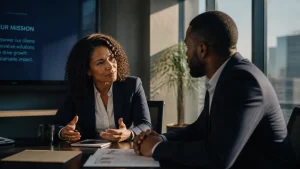
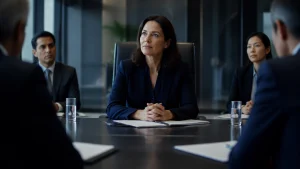
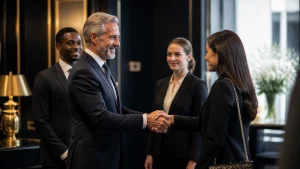
A meeting is not a pause in productivity. It is the peak of productivity. Most managers treat meetings as a chore. They read off a list of updates. They stare at their screens. They let the conversation drift into the weeds. Their team checks out. Their people check their phones. Time is wasted. Respect is lost.
You can change this dynamic. You can transform your standard updates into engaging presentations. You can command attention. You can drive real results. This transformation requires professional presentation skills. It requires a shift in mindset. You are not just a manager. You are a facilitator of progress. You are the steward of your team’s most valuable resource. That resource is their time.
Presence, precision, and dignity are skills. They are not accidents. They are developed through intentional practice. When you lead with polish, people notice. When you communicate with clarity, people follow. This is the secret to leading meetings that matter.
The stakes of professional presence
Every meeting is a performance. The room reads you before you speak. Your posture sends a message. Your tone sends a message. If you appear bored, your team will be bored. If you appear disorganized, your team will be anxious.
Poorly led meetings cost more than just time. They erode trust. They signal that the leader does not value the group. Professionals want to be part of something meaningful. They want to contribute. They want to see movement. A stagnant meeting creates a stagnant culture.
Mastering professional presentation skills is an investment in your reputation. It is an investment in your team's output. High-stakes environments demand high-level preparation. You must show up well. You must lead well. This is how you represent your organization with confidence.
Presence begins before the door opens
Excellence is not a spontaneous act. It is a result of rigor. Your meeting starts long before the calendar invite chimes. Most leaders fail because they wing it. They walk into the room and look for a place to start. This is a mistake.
Preparation creates composure. You must know your objective. Define the goal of the meeting in one single sentence. If you cannot define it, do not hold the meeting. Every agenda item must serve this goal.
Design an agenda that drives engagement. Use questions instead of vague topics. Do not write "Budget Update" on the list. Write "How will our current spending impact Q4 hiring?" This forces the mind to engage. It invites participation.
Share this agenda in advance. Give your people the dignity of preparation. A professional does not like to be blindsided. They like to contribute value. When they know what to expect, they show up ready. This is the first step in building a culture of workplace professionalism.

Structure your opening with precision
The first two minutes of a meeting decide the rest of the hour. You must own the start. Use a structured opening. We call this the POP model. It stands for Purpose, Outcome, and Process.
First, state the purpose. Why are we here? This should be a high-level "why." It connects the meeting to the bigger picture. It gives the work meaning.
Second, state the desired outcome. What will we leave with? Be specific. Are we making a decision? Are we generating five new ideas? Are we assigning responsibilities? Clarity on the finish line ensures everyone is running in the same direction.
Third, outline the process. How will we get there? Tell the group how much time we have. Tell them how we will handle questions. This sets the boundaries. It creates a sense of order. People feel safe when there is a clear structure. They are more likely to participate. They are less likely to derail the conversation.
Mastering the physical and vocal presence
Professional presentation skills are often physical. Your body is a tool for communication. Use it with intention.
Stand when you can. Standing increases your energy. It increases your visibility. It signals authority. If you must sit, sit at the edge of your chair. Keep your back straight. Avoid leaning back. Leaning back suggests a lack of engagement.
Maintain eye contact. Do not speak to the wall. Do not speak to your notes. Look at your people. Eye contact builds connection. It builds trust. It tells the listener that they are important.
Your voice is equally important. Speak with a steady pace. Use a volume that reaches the back of the room. Do not rush. Rushing suggests nervousness. Silence is your friend. Use pauses after key points. Give the audience time to process the information. A pause shows confidence. It shows that you are comfortable in your own space.
This level of personal polish is what separates an average manager from a true leader. It is a core component of executive presence.
The art of facilitation over dictation
A meeting is not a lecture. It is a collaboration. Your job is to lead the discussion. It is not to dominate it.
Ask better questions. Avoid yes or no questions. They end the conversation. Use open-ended questions. Ask "What options do we have?" Ask "How might this affect our timeline?" These questions require thought. They require engagement.
Pull quieter voices into the room. Some people think before they speak. They may have the best ideas but are waiting for an opening. Create that opening. Say "John, I would love to hear your thoughts on this." This shows respect. It ensures you are getting the best out of the whole team.
Manage the airtime. Some people talk too much. They take the meeting off track. You must manage this with discretion. Interrupt gently. Say "That is an interesting point. Let's park that for a moment so we can hear from others." This keeps the energy high. It keeps the focus on the goal.
Engagement is a skill. It requires active listening. You must show that you are paying attention. Summarize what you hear. Check for agreement. This validates the contributions of your team. It makes them want to participate again.

The dignity of detail in your visuals
If you use slides, use them wisely. Most presentations are cluttered. They have too much text. People cannot read and listen at the same time. They will choose to read. Then they will stop listening to you.
Your slides should support your words. They should not replace them. Use high-quality images. Use clean layouts. Follow a consistent color palette. At The Comportment Group, we value the dignity of detail. This applies to your visual aids too.
Keep it simple. One idea per slide. Use large fonts. Use professional charts. If a slide is too complex, skip it. Give the information in a handout instead. Your people should be looking at you. You are the source of the message. The slide is just the illustration.
Managing the energy of the room
Energy is contagious. As the leader, you set the tone. If your energy is low, the room will follow. If you are distracted, the room will follow.
Start on time. This shows respect for the people who arrived on time. It sets a standard of punctuality. It shows that you value the schedule.
End on time. This is even more important. People have other commitments. When you go over, you create stress. You signal that your time is more important than theirs. If you have more to discuss, schedule a follow-up. Do not hold people hostage.
Use breaks for longer meetings. The human brain can only focus for so long. A five-minute break can reset the energy. It allows people to stretch. It allows them to clear their heads. This is a matter of hospitality. It is about taking care of your guests.
Closing with precision and accountability
The end of a meeting is as important as the beginning. Never let a meeting just "fizzle out." Close with dignity.
Summarize the decisions. What did we agree on? State it clearly. This prevents confusion later.
Assign ownership. Every action item must have an owner. It must have a deadline. Write these down. Say them aloud. "Sarah will complete the draft by Wednesday." "Mark will call the client by noon tomorrow."
Confirm the next steps. When will we meet again? How will we track progress? A meeting without a follow-up is just a conversation. A meeting with a follow-up is a catalyst for action.
Send a written recap. Keep it brief. List the decisions. List the action items. Send it within 24 hours. This reinforces the accountability. It shows that the meeting was meaningful. It shows that you are a leader of rigor.

Cultivating a culture of professional polish
Presence is a practice. You will not master these skills in one day. You must be intentional. You must be consistent.
Ask for feedback. Ask a trusted colleague how you handled the meeting. Ask what you can improve. This shows humility. It shows a commitment to growth.
Leading meetings is a core part of leadership. It is where your presence is most visible. It is where your impact is most direct. When you master professional presentation skills, you transform your team. You create an environment of respect. You create an environment of excellence.
This is the work we do at The Comportment Group. We help leaders develop the presence and polish needed to move with confidence. We teach the unwritten rules of professional life. We believe that how you show up matters. We believe that the details make the difference.
According to research from the Harvard Business Review, managers often feel overwhelmed by the number of meetings on their calendars. The solution is not necessarily fewer meetings. The solution is better meetings. It is meetings led with purpose. It is meetings led with precision.
You have the power to change your meetings. You have the power to lead with dignity. Start with your next meeting. Prepare the agenda. Own the opening. Manage the room. Close with clarity. Your team will notice the difference. Your organization will feel the results.
The Comportment Group
Carry yourself like the room is yours.
Presence, precision, and dignity are skills, not accidents. Our 50-course library teaches the unwritten rules of professional life so you and your people can walk into any room and own it. Let's talk about where to begin.
Explore the curriculum → | Book a pilot cohort
Phone: (510) 603-0909 | Email: info@thecomportmentgroup.com | Web: www.thecomportmentgroup.com
Presence. Precision. Dignity in the details.